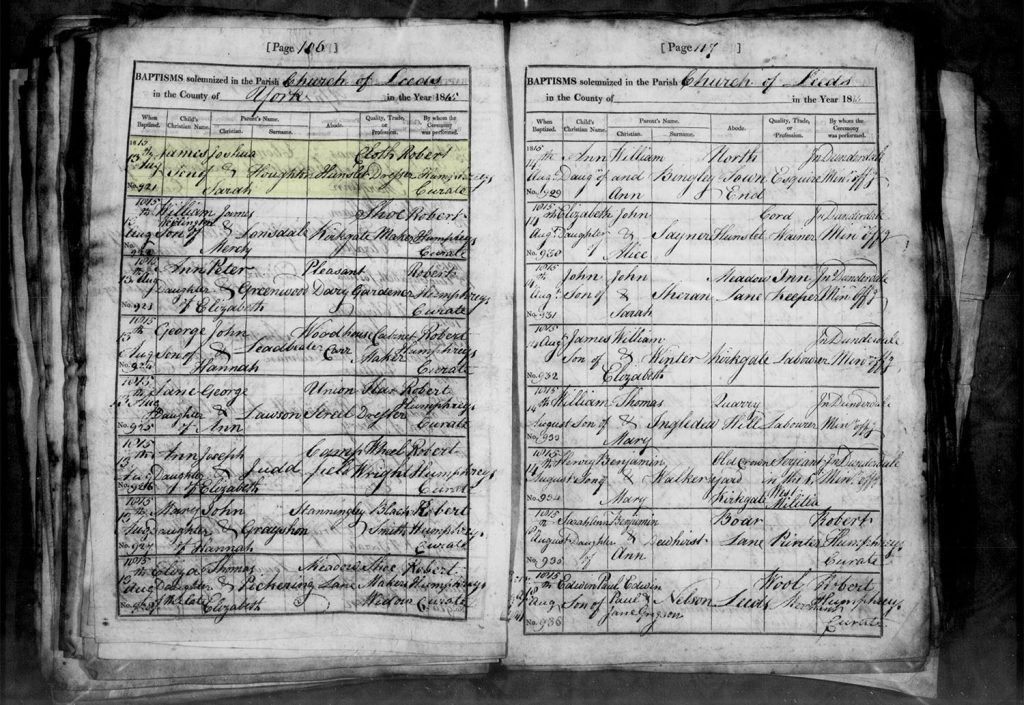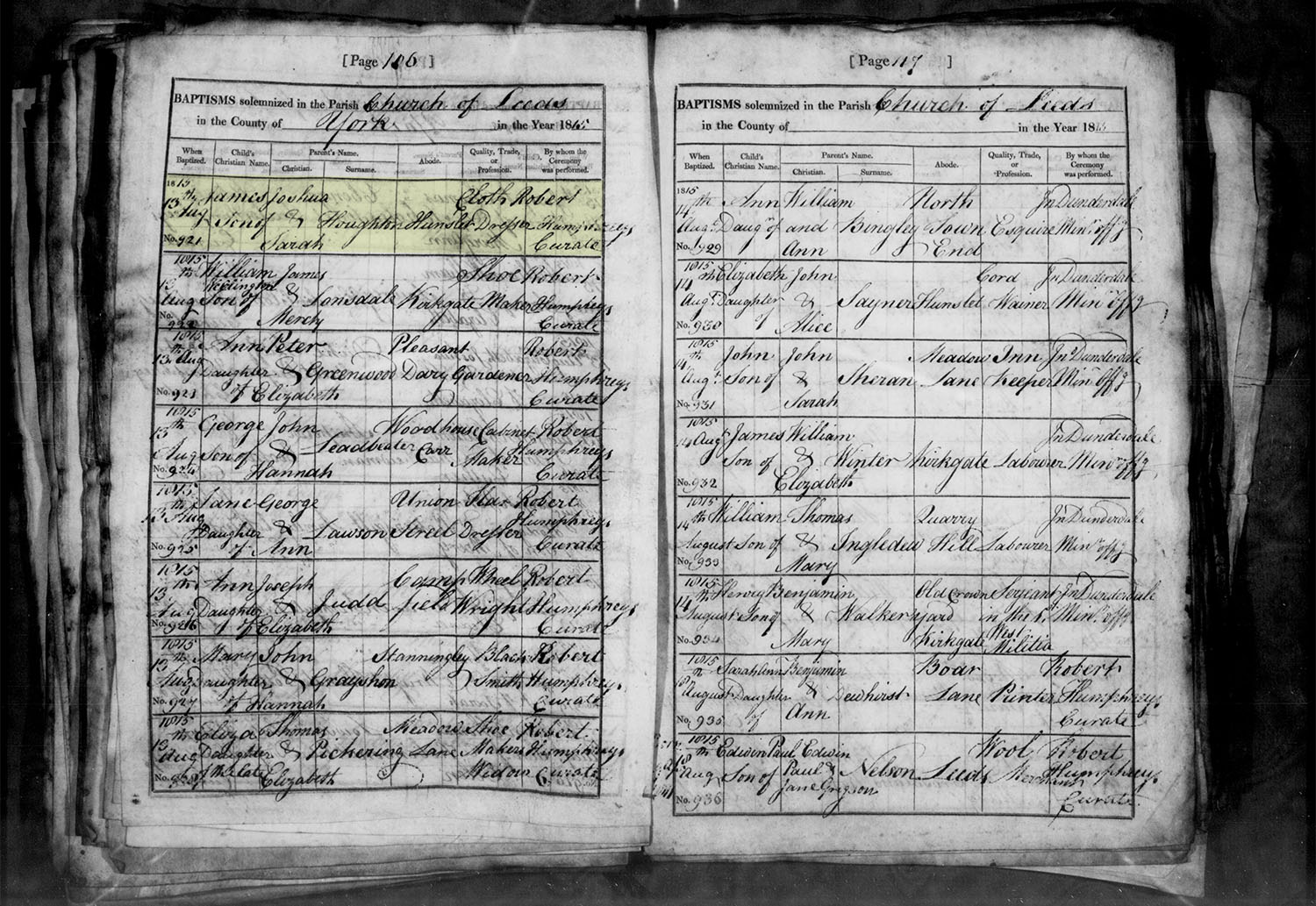
In many ways, James is an elusive character. The only mentions of him after he registers his son James’, birth in 1853 are the brief newspaper announcements of his wife’s death in 1859 and his daughter’s marriage in 1871, yet in other ways we know more of him than most.
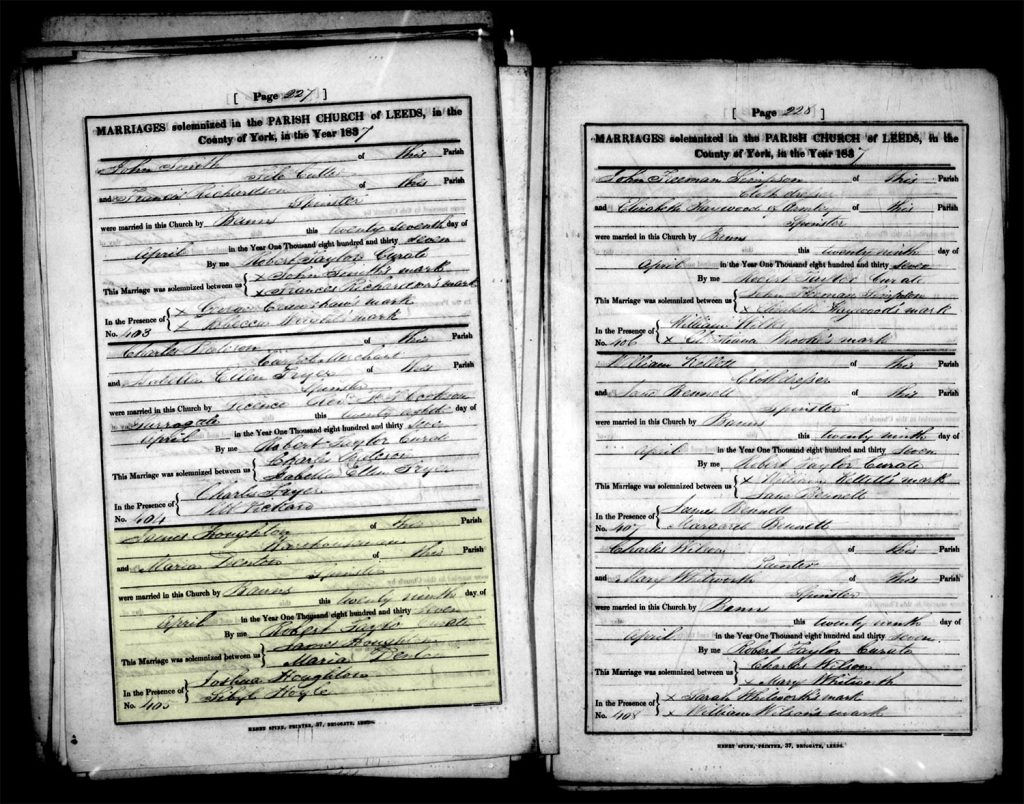
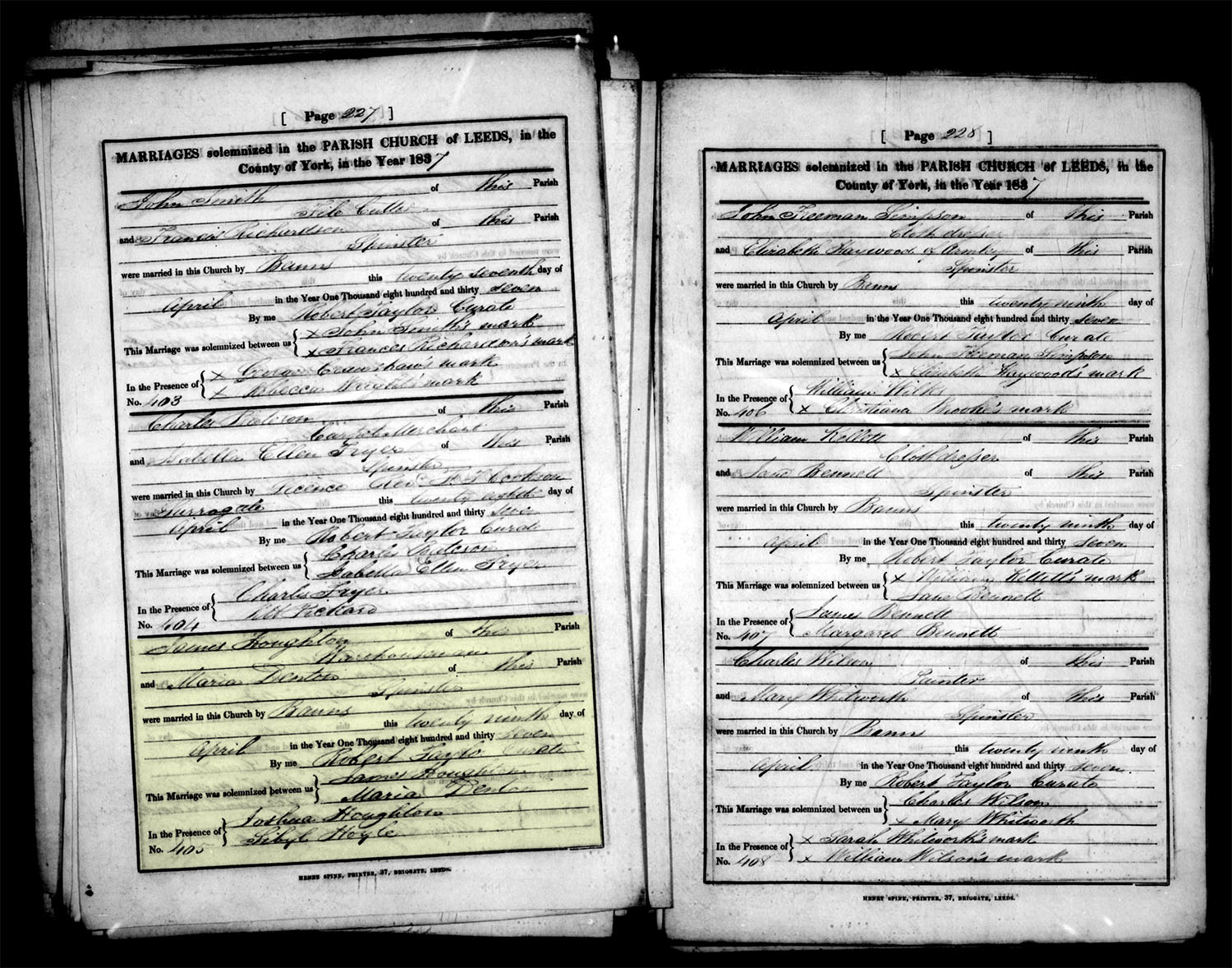
He married Maria Denton on 29th April 1837. He was in Leeds in 1870 when his father died.
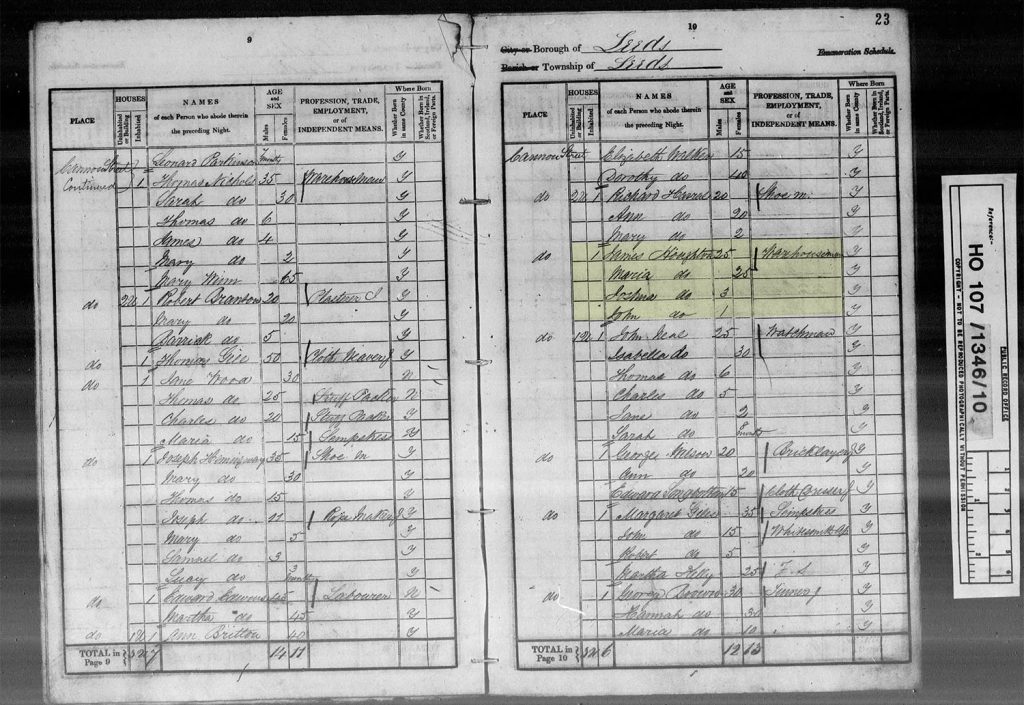
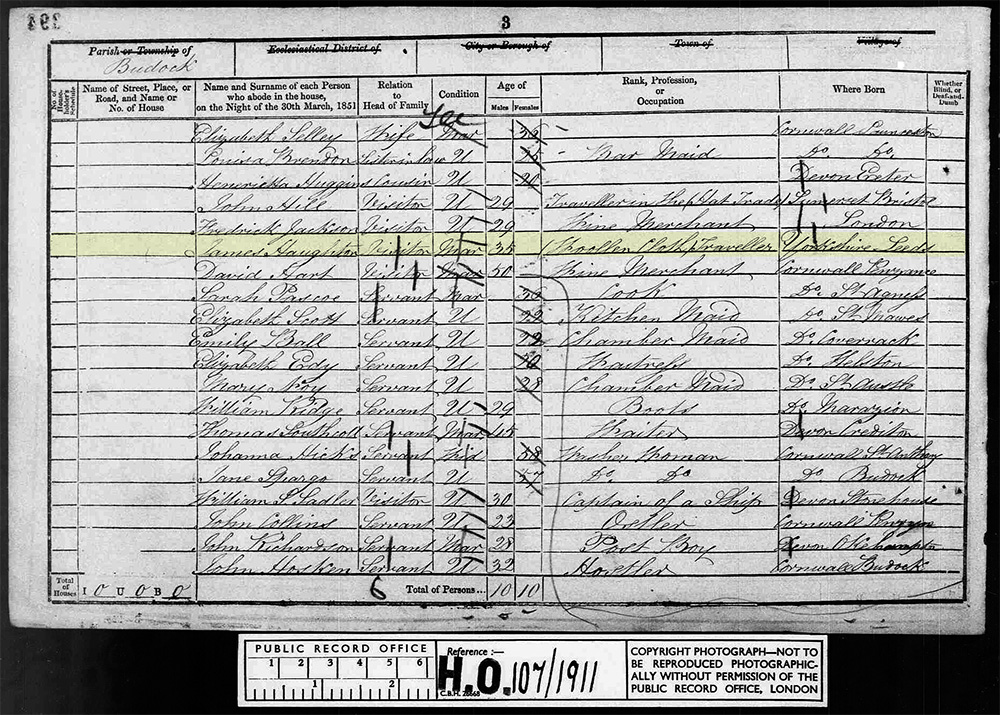
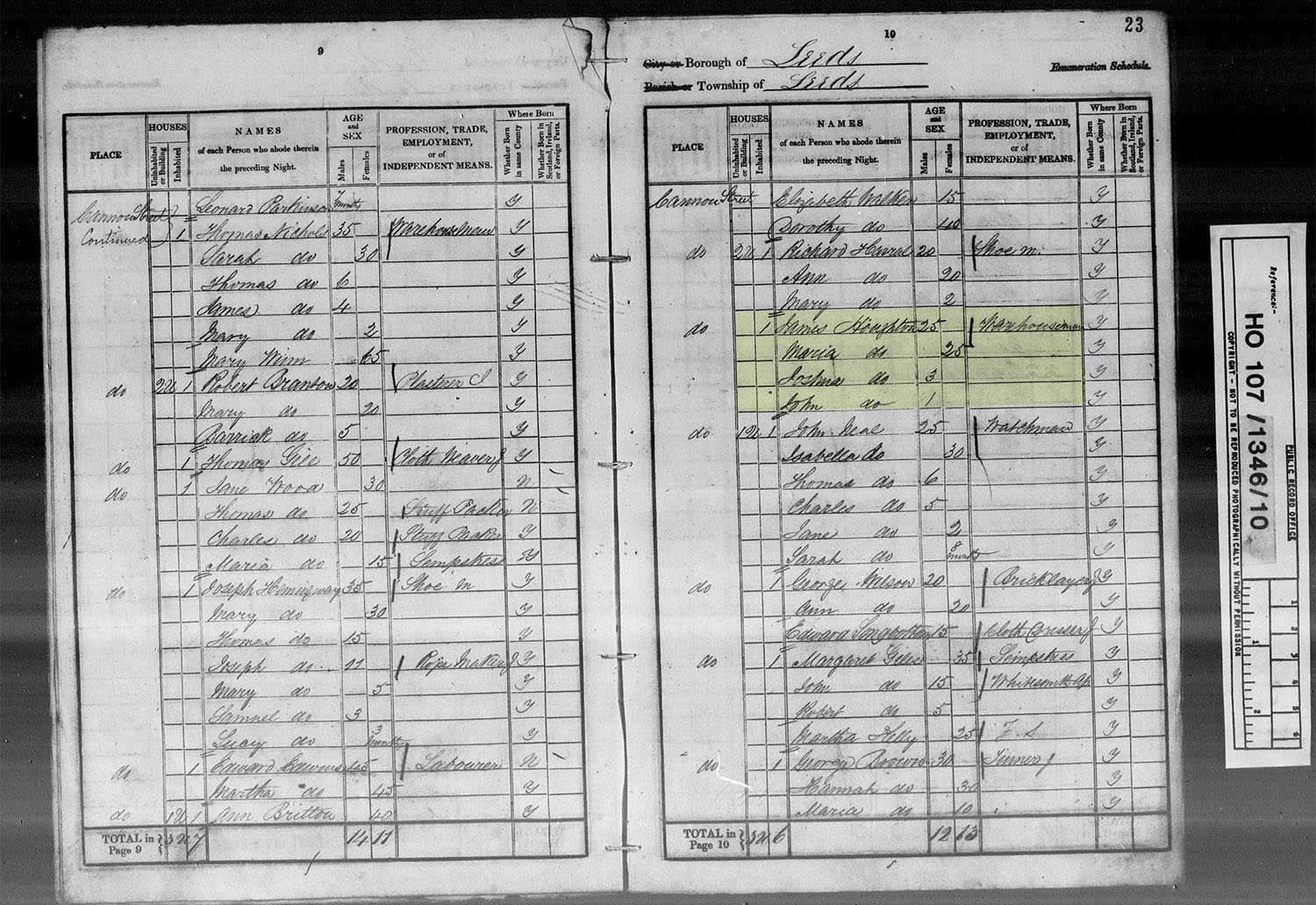
An 1837 newspaper report of the trial of an over zealous police officer names him as a witness and gives his job as a warehouseman for James Brown & Co, a firm of cloth merchants and manufacturers. You can sense the relish with which he describes the officer’s conduct as ‘exceedingly disgraceful.’ He pops up in the newspaper again in 1846, this time giving evidence on the effect of the tax on tea and we learn that he earns 30s a week and buys two ounces of tea a week at a cost of 71/2d and that if the tax were less he would buy half as much again. He appears on the 1841 census and on the 1851 where he is in Cornwall and now a traveller in woollen cloth but on no more. Travellers in those days had a much higher status than they do now.